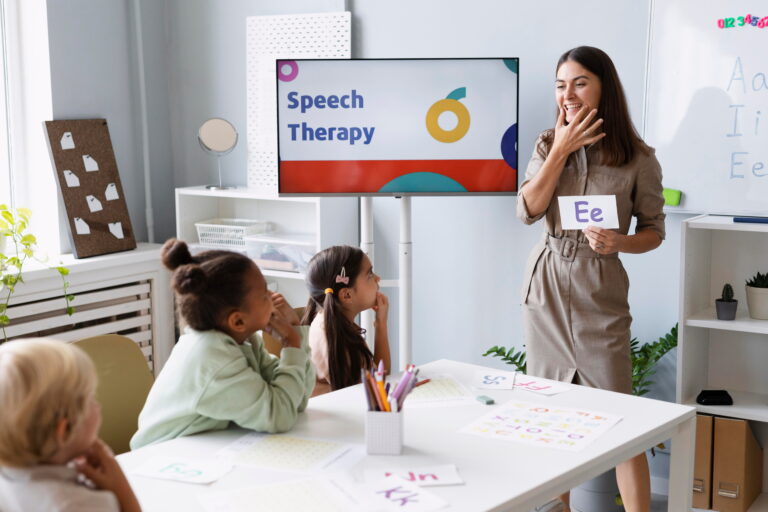


In today’s India, communication skills matter more than ever. Whether it is school presentations, competitions, or future career opportunities, children who speak confidently have a clear advantage. That is why many parents are now focusing seriously on spoken english for kids from an early age.
Many families even explore the Best English Speaking Courses For Kids to give their children a strong foundation. But beyond courses, parents should understand why spoken English truly matters and how it shapes a child’s confidence and future.
The good news is that improving English speaking skills does not require pressure or stress. With the right guidance and consistent practice, your child can develop strong communication skills naturally and comfortably.
1. Builds Strong Self-Confidence
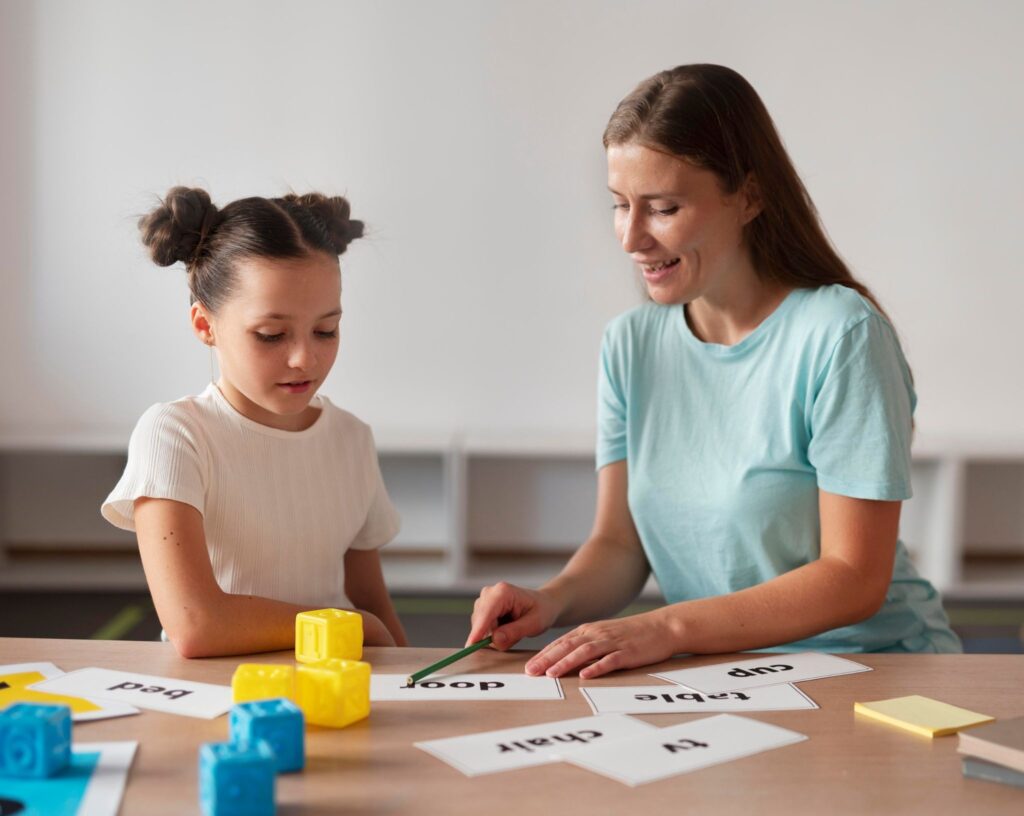
Confidence is one of the biggest benefits of spoken english for kids in India. When children can express their thoughts clearly, they feel more secure in school and social environments.
Kids who hesitate to speak often avoid participation. But once they gain fluency, they begin raising their hands, answering questions, and sharing ideas openly.
How confidence improves through spoken English:
- Children participate more in class discussions
- They speak comfortably in front of teachers
- They perform better in presentations
- They interact confidently with classmates
- They overcome fear of making mistakes
When your child speaks clearly, confidence grows naturally – and that confidence supports success in many other areas of life.
You can also check out how spoken English courses help kids build confidence through guided speaking practice and supportive learning environments.
2. Improves Academic Performance
Strong English speaking skills help children understand subjects better, especially in English-medium schools. Communication affects not only language subjects but also science, social studies, and other areas.
Academic advantages include:
- Better classroom participation
- Improved reading and comprehension
- Clearer answers during exams
- Stronger vocabulary development
- Better performance in debates and competitions
Spoken english for kids helps them ask questions without fear and understand instructions more clearly.When children can explain their thoughts clearly, teachers recognize their potential more easily.
3. Enhances Social Skills
Communication is the foundation of friendships. Kids who speak confidently make friends faster and express themselves more comfortably.
Social benefits include:
- Easy conversation with new friends
- Better group participation
- Improved teamwork skills
- Ability to express feelings clearly
- Reduced shyness in public situations
Spoken English helps children interact with peers from different backgrounds, especially in urban schools where students come from diverse families.
Parents can also explore How kids in India can learn spoken English confidently through regular speaking practice and supportive environments.
4. Prepares Kids for Future Career Opportunities
The future job market in India is becoming more competitive every year. Companies value communication skills as much as technical knowledge.
Long-term career benefits:
- Better performance in interviews
- Strong presentation skills
- Clear public speaking ability
- Improved leadership qualities
- Comfort in global communication
When the focus is given to start early with spoken english courses for kids in India, they build long-term advantages. Early speaking practice builds a strong foundation for professional growth later in life.
5. Develops Critical Thinking Skills
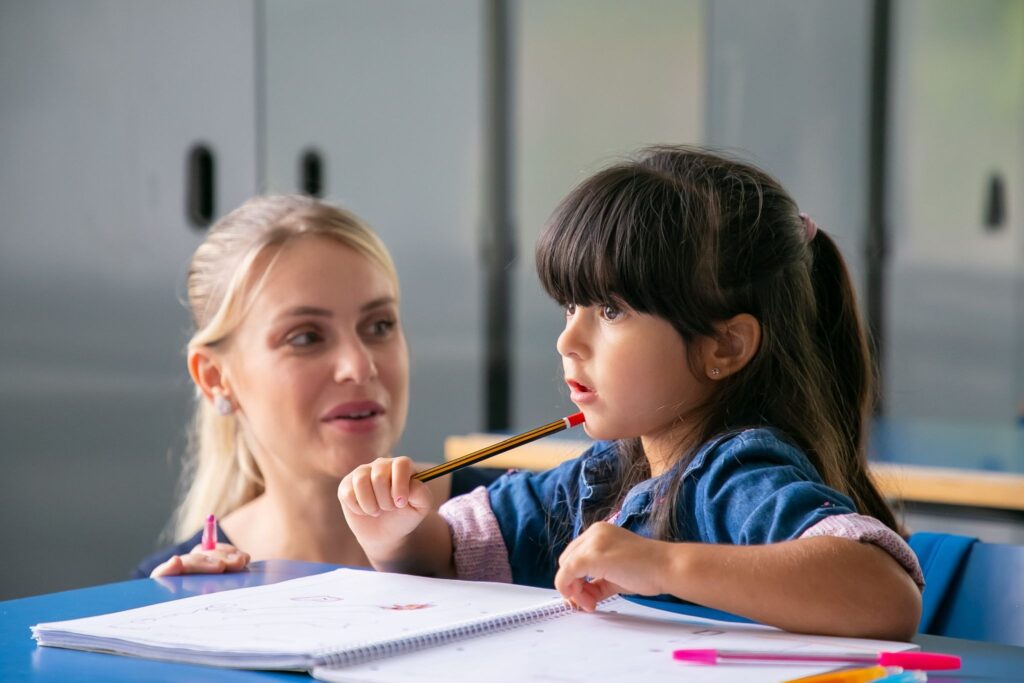
Speaking English is not just about words – it also improves thinking. When kids learn to express ideas clearly, they learn to organize thoughts logically.
How it supports thinking skills:
- Encourages structured answers
- Improves logical explanation
- Builds storytelling ability
- Enhances problem-solving communication
- Strengthens reasoning skills
Spoken english for kids encourages children to explain, question, and reason more effectively. Communication and thinking grow together when children practice regularly. When parents focus on their kids spoken English during school life, they become more confident with thoughts and ideas, and ultimately it helps them achieve their desired goals easily.
6. Reduces Stage Fear and Public Speaking Anxiety
Many children feel nervous while speaking in front of a group. Regular English speaking practice reduces this fear gradually.
Ways spoken English reduces fear:
- Practice builds familiarity
- Repetition improves comfort
- Positive feedback boosts confidence
- Small presentations increase courage
- Supportive environments reduce pressure
With consistent practice, children begin to enjoy speaking instead of avoiding it. When fear decreases, children perform better in competitions and school events.
7. Creates a Competitive Advantage for the Future
In today’s competitive world, skills matter more than marks alone, which is why understanding why English speaking course necessary for Class 10 becomes important as students prepare for higher studies and future careers.
Children who communicate clearly often stand out in classrooms, competitions, and later in interviews. Strong spoken english for kids builds an early advantage that stays with them for years.
How spoken English creates long-term advantage:
- Better performance in debates and public speaking events
- Strong impression during college admissions
- Clear communication in future job interviews
- Comfort in global environments and international exposure
Children who speak confidently are often seen as capable and leadership-ready. Early communication skills do not just help in school – they prepare your child to compete and succeed in a fast-changing world.
Age-Wise Action Plan (Practical & Helpful)
How Parents Can Support Spoken English at Each Age
| Age Group | What Parents Can Do |
| 4–7 Years | Storytelling, rhymes, simple daily conversations |
| 8–12 Years | Encourage presentations, reading aloud, group speaking |
| 13–16 Years | Debate practice, real-life discussions, structured training |
Final Thoughts
Spoken English is not just a school skill – it is a life skill. When children learn to express themselves clearly, they grow in confidence, perform better academically, and feel more comfortable in social situations.
If you feel your child needs structured practice , conversation-based platforms like Speaking Fever can provide guided sessions in a friendly and comfortable environment. With the right encouragement and regular speaking practice, your child can build strong communication skills step by step.
Speak with Our Expert Counsellor