How to Improve Public Speaking Skills: The Complete Guide to Confident Speaking

Key Takeaway
- Public speaking is a learnable skill.
- Confidence grows through practice.
- Voice modulation improves delivery.
- Body language influences perception.
- Storytelling improves audience engagement.
- Preparation reduces anxiety.
- Public speaking helps students and professionals.
- Consistent practice leads to long-term improvement.
Table of Contents
If you want to improve your Public Speaking skills, you are not alone. Many people feel nervous when speaking in front of others at school, work, or social events.
The good news is that public speaking is a skill that anyone can learn. With practice, patience, and the right techniques, you can become a confident and effective speaker.
According to Toastmasters International’s Public Speaking Tips, preparation and regular practice are two of the most effective ways to become a better speaker. This is why many learners search for the best online public speaking course to improve confidence and communication skills.
Public speaking is more important than ever in 2026. Whether you are presenting in a meeting, speaking during an interview, leading a team, or sharing ideas in class, strong communication skills can help you stand out.
In this complete guide, you’ll learn the public speaking definition, benefits of public speaking, essential speaking skills, and practical strategies that can help you become a confident speaker.
What Is Public Speaking?
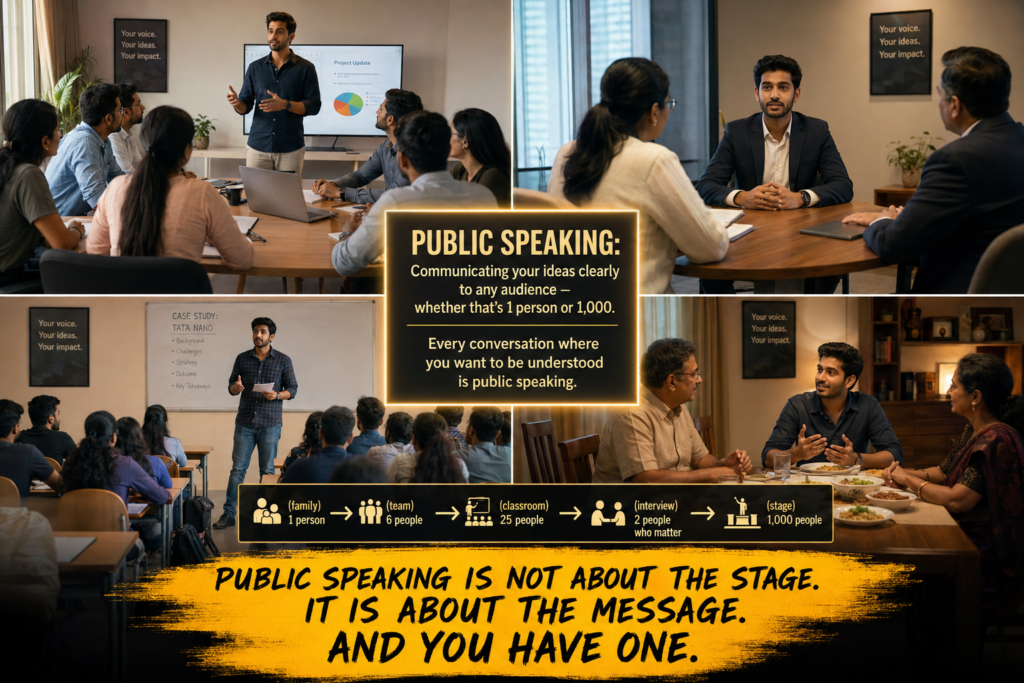
Public speaking is the process of communicating information, ideas, or opinions to a group of people in a clear and structured manner.
Many people think public speaking only happens on a stage. In reality, speaking during meetings, presentations, interviews, seminars, and classroom discussions are all forms of public speaking.
Learning public speaking is not about becoming perfect. It is about expressing your ideas clearly, confidently, and effectively.
Public Speaking Definition
The public speaking definition is simple: the act of delivering a message to an audience with the purpose of informing, educating, persuading, or inspiring them.
Public speaking combines several important skills, including:
- Communication skills
- Verbal communication skills
- Presentation skills
- Audience engagement
- Body language in communication
Strong public speaking skills help people communicate ideas more effectively and build stronger personal and professional relationships.

Types of Public Speaking
Not all public speaking situations are the same. Different goals require different speaking styles. Understanding the main types of public speaking can help you choose the right approach for different situations.
Informative Speaking
Informative speaking focuses on educating an audience about a topic.
Examples include:
- Classroom presentations
- Training sessions
- Educational workshops
- Seminars
The goal is to help people learn and understand information clearly.
Persuasive Speaking
Persuasive speaking aims to influence opinions, decisions, or actions.
Examples include:
- Business proposals
- Sales presentations
- Marketing pitches
- Political speeches
Strong persuasive speaking skills help speakers encourage audiences to take action.
Motivational Speaking
Motivational speaking focuses on inspiring people.
Examples include:
- Leadership talks
- Success stories
- Personal development seminars
- Team motivation sessions
Many successful speakers use motivational speaking to encourage positive change.
Business Presentations
Business presentations are common in professional environments.
Examples include:
- Client presentations
- Team meetings
- Project updates
- Corporate communication training
Professionals with strong presentation skills often have greater career opportunities. Enrolling in spoken English classes for presentations can give you the structured speaking practice needed to deliver business presentations with confidence and clarity.
Why Public Speaking Is an Essential Skill
Public speaking is one of the most valuable skills a person can develop. Whether you are a student, employee, manager, entrepreneur, or job seeker, communication plays a major role in success.
Importance of Public Speaking
The importance of public speaking continues to grow because strong communication helps people share ideas, build trust, and influence others.
Public speaking helps you:
- Express ideas clearly
- Improve leadership communication
- Strengthen workplace communication
- Develop effective communication
- Create professional opportunities
People who communicate confidently are often viewed as more capable, knowledgeable, and trustworthy.
Public Speaking in Everyday Life
You don’t need a microphone or stage to use public speaking skills.
You use them when:
- Participating in meetings
- Giving presentations
- Leading discussions
- Speaking in classrooms
- Explaining ideas to others
This is why taking the right steps to improve public speaking skills for beginners can positively impact many areas of life – from classroom discussions to professional meetings and beyond.
Benefits of Public Speaking
The benefits of public speaking go far beyond giving speeches. Strong communication skills can improve confidence, leadership abilities, career growth, and personal development.
Let’s look at some of the biggest advantages.
Builds Confidence
One of the greatest benefits of public speaking is increased confidence. Every time you speak in front of others, you become more comfortable expressing your thoughts and ideas.
How Public Speaking Builds Confidence
- Reduces hesitation
- Improves self-esteem
- Encourages participation
- Strengthens leadership presence
- Improves social interaction
Many people who once struggled with fear of public speaking, public speaking anxiety, and stage fright eventually become confident communicators through consistent practice.
Improves Communication Skills
Public speaking naturally improves your ability to communicate. As you practice speaking, you learn how to organize ideas, explain concepts clearly, and connect with listeners.
Communication Skills Developed Through Public Speaking
- Verbal communication skills
- Effective communication
- Audience awareness
- Persuasive communication
- Leadership communication
These skills are useful in both personal and professional situations.
Enhances Leadership Abilities
Strong leaders are often strong communicators.
Whether leading a team, presenting a strategy, or motivating employees, communication is a key leadership skill.
Leadership Benefits of Public Speaking
- Better team communication
- Stronger leadership presence
- Increased influence
- Improved decision-making discussions
- Greater credibility
This is why many organizations invest heavily in communication and leadership development programs.
Boosts Career Growth
Communication skills can significantly impact career success.
Employers value professionals who can present ideas clearly and communicate confidently with colleagues, clients, and stakeholders.
Career Benefits
- Better interview performance
- Stronger workplace communication
- Improved client interactions
- Greater leadership opportunities
- Increased professional visibility
Developing public speaking skills for professionals can create new opportunities and accelerate career growth.
Essential Public Speaking Skills
Strong Public Speaking is not about using difficult words or sounding perfect. It is about delivering your message clearly and helping your audience understand you.
The best speakers focus on connection, clarity, and confidence. Let’s look at the essential skills every speaker should develop.
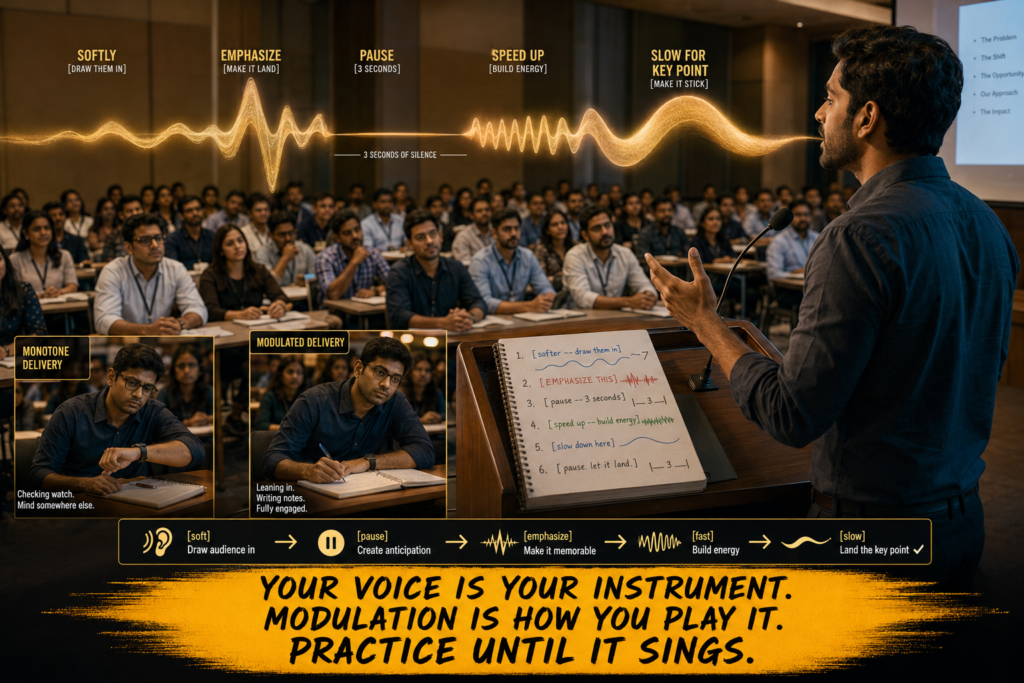
Voice Modulation
Your voice is one of the most important tools in public speaking. If you speak in the same tone from start to finish, your audience may lose interest.
Voice modulation helps you add emotion, energy, and impact to your speech.
Why Voice Modulation Matters
- Keeps listeners engaged
- Highlights important points
- Improves speech delivery techniques
- Makes presentations more memorable
- Creates emotional connection
Voice Modulation Tips
- Change your tone naturally
- Speak clearly and loudly enough
- Use pauses effectively
- Emphasize key words
- Practice reading aloud daily
Strong voice modulation can instantly improve your presentation quality.
Body Language in Communication
People often judge confidence before you even say a word. Your posture, gestures, and facial expressions all influence how your audience sees you.
Positive Body Language Habits
- Stand straight
- Keep your shoulders relaxed
- Smile naturally
- Use hand gestures purposefully
- Face your audience
Common Body Language Mistakes
- Crossing your arms
- Looking at the floor
- Fidgeting constantly
- Pacing excessively
- Avoiding eye contact
Good body language in communication helps you appear more confident and trustworthy.

Eye Contact While Speaking
Eye contact helps create a connection with your audience. Many beginners avoid eye contact because they feel nervous. However, eye contact is one of the simplest ways to improve audience engagement.
Benefits of Eye Contact
- Builds trust
- Shows confidence
- Improves audience engagement
- Makes communication feel natural
- Keeps listeners focused
Eye Contact Tips
- Look at different people in the room
- Hold eye contact for a few seconds
- Avoid staring at one person
- Practice during everyday conversations
- Focus on connection, not perfection
Strong eye contact while speaking makes your message more effective.
Storytelling Skills
Stories make speeches more interesting and memorable. Many great speakers use stories because people remember experiences better than facts alone.
Why Storytelling Works
- Captures attention
- Creates emotional connection
- Improves audience engagement
- Makes information easier to remember
- Supports persuasive speaking
Storytelling Skills Tips
- Use real-life experiences
- Keep stories short
- Focus on one lesson
- Make them relatable
- Connect them to your message
Strong storytelling skills can turn an ordinary presentation into a powerful one.
Audience Engagement
Public speaking should feel like a conversation, not a lecture. When audiences participate, they stay interested and remember more of what you say.
Audience Engagement Techniques
- Ask questions
- Use examples
- Encourage participation
- Share relatable experiences
- Include simple activities
Benefits of Audience Engagement
- Better attention
- Stronger connection
- Improved understanding
- Higher participation
- More memorable presentations
Learning how to engage an audience during a presentation is one of the most valuable speaking skills.
Active Listening
Great communicators are also great listeners. Active listening helps you understand people better and respond more effectively.
Active Listening Tips
- Give full attention
- Avoid interrupting
- Ask questions
- Observe body language
- Confirm understanding
Benefits of Active Listening
- Better communication skills
- Improved relationships
- Stronger leadership communication
- Better teamwork
- More effective communication
Active listening strengthens both speaking and communication abilities.
How to Improve Public Speaking Skills
Many people ask how to improve public speaking skills because they want practical steps they can apply immediately. The good news is that public speaking improves through practice, not talent.
Practice Daily Speaking
Speaking is like any other skill. The more you practice, the better you become. Even a few minutes of daily practice can create noticeable improvement.
Daily Public Speaking Practice
- Read aloud for 10 minutes
- Explain topics to yourself
- Practice introductions
- Join conversations
- Speak in English daily
Consistent public speaking practice helps build confidence and fluency.
Record and Review Yourself
Recording yourself is one of the fastest ways to improve. You can identify habits that are difficult to notice while speaking.
What to Review
- Speaking speed
- Voice clarity
- Body language
- Eye contact
- Filler words
Benefits
- Faster improvement
- Better self-awareness
- Improved speech delivery
- Greater confidence
- Stronger communication skills
Recording is one of the most effective public speaking exercises available.
Learn From Great Speakers
You can learn a lot by observing experienced speakers. Pay attention to how they use stories, pauses, body language, and audience interaction.
Learn From
- TED Talks
- Professional speakers
- Leadership presentations
- Motivational speaking videos
- Communication experts
What to Observe
- Voice modulation
- Audience engagement
- Presentation structure
- Speech delivery techniques
- Confidence levels
Studying successful speakers can help you understand effective public speaking techniques.
Speak in Real-Life Situations
Many people practice alone but avoid speaking opportunities. Real improvement happens when you use your skills in everyday situations.
Opportunities to Practice
- Team meetings
- Classroom discussions
- Networking events
- Family conversations
- Group activities
The more you speak, the more comfortable speaking in front of an audience becomes.
Create a Public Speaking Practice Plan
A structured plan can help you stay consistent. Small daily actions often create the biggest improvements.
Simple Weekly Practice Plan
Monday
- Read aloud for 10 minutes
Tuesday
- Record a 2-minute speech
Wednesday
- Practice mirror speaking
Thursday
- Learn and use new vocabulary
Friday
- Join a discussion or group conversation
Saturday
- Review your recordings and identify areas for improvement
Sunday
- Watch a public speaking course, TED Talk, or speech by an experienced speaker
Before committing to a learning plan, it can be helpful to understand the difference between online vs offline public speaking courses helps you choose the most suitable format to support your weekly practice with the right structured guidance.
Public Speaking Techniques Used by Great Speakers
Great speakers follow proven techniques that help them connect with audiences and deliver memorable presentations.
You don’t need to be famous to use these methods.

The Rule of Three
The Rule of Three is one of the most effective public speaking techniques. People naturally remember information better when it is grouped into three points.
Examples
- Learn, Practice, Improve
- Think, Prepare, Deliver
- Confidence, Clarity, Communication
Benefits
- Easier to remember
- Improves structure
- Creates stronger impact
- Simplifies complex ideas
Storytelling Framework
Most successful speakers use a simple storytelling structure.
Basic Story Framework
- Situation
- Challenge
- Solution
- Result
This framework improves audience engagement and makes presentations more memorable.
Strategic Pauses
They help audiences absorb information and make important points stand out.
Benefits of Pauses
- Improve clarity
- Reduce filler words
- Create impact
- Increase confidence
- Improve speech delivery
Vocal Variety
Speaking with different tones and energy levels keeps listeners interested.
Vocal Variety Tips
- Change pace naturally
- Emphasize key points
- Use emotion appropriately
- Avoid monotone delivery
This is one of the most important public speaking tips used by professional speakers.
Audience Interaction
The best speakers involve their audience.
Ways to Interact
- Ask questions
- Invite participation
- Use quick polls
- Encourage discussion
Audience interaction improves engagement and makes presentations more enjoyable.
How to Overcome Fear of Public Speaking
The fear of public speaking is one of the most common fears people experience. Many speakers feel nervous before presentations, speeches, meetings, or interviews.
The good news is that confidence can be developed. Most successful speakers were once beginners who improved through practice and experience.
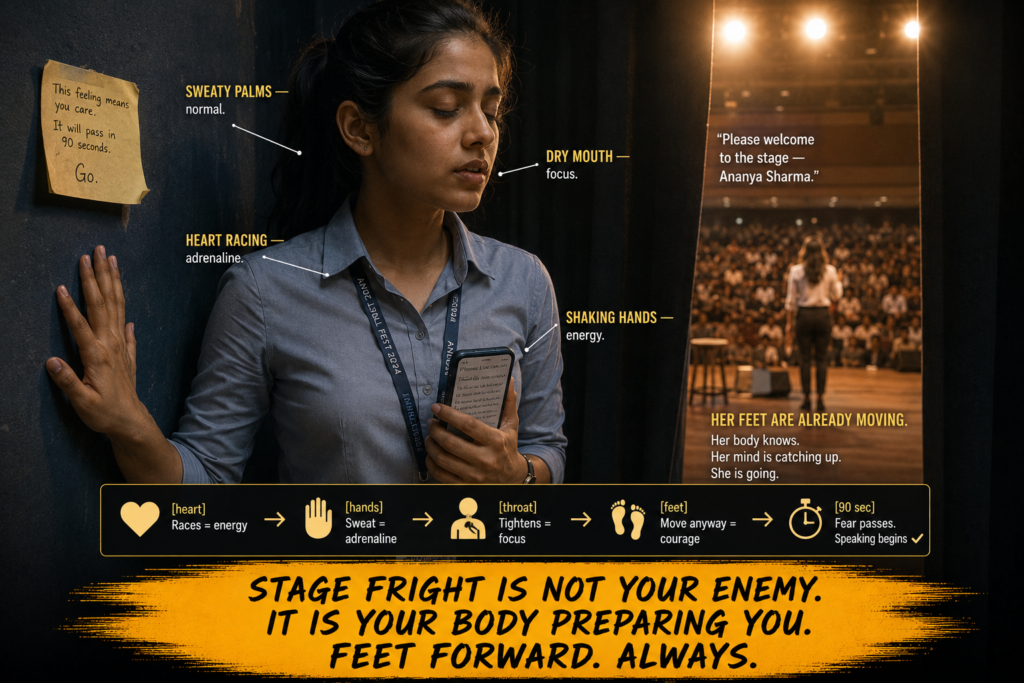
Understanding Stage Fright
Stage fright happens when your mind and body react to speaking in front of others. This reaction is completely normal. Even experienced speakers sometimes feel nervous before important presentations.
Common Signs of Stage Fright
- Sweaty palms
- Rapid heartbeat
- Nervous movements
- Racing thoughts
Important Truth
Feeling nervous does not mean you are a bad speaker. It simply means you care about performing well. Understanding this is the first step in learning how to overcome fear of public speaking.
Confidence Building Exercises
Confidence comes from action. The more you practice speaking, the more comfortable you become.
Confidence Building Exercises
- Mirror speaking practice
- Reading aloud daily
- Recording speeches
- Practicing introductions
- Joining group discussions
Benefits
- Improves speaking confidence
- Reduces hesitation
- Increases comfort while speaking
- Builds communication skills
- Strengthens presentation abilities
These are some of the most effective confidence building exercises for speaking.
Breathing Techniques
Breathing exercises can help calm your mind before speaking. Many professional speakers use breathing techniques before presentations.
Simple Breathing Exercise
- Inhale slowly for 4 seconds
- Hold for 4 seconds
- Exhale for 4 seconds
- Repeat 5 times
Benefits
- Reduces anxiety
- Improves focus
- Controls speaking speed
- Strengthens voice delivery
- Helps maintain calmness
This is one of the easiest tips to overcome fear of public speaking.
Positive Visualization
Visualization is a simple technique used by athletes, leaders, and professional speakers. Before speaking, imagine yourself delivering a successful presentation.
Visualization Tips
- Picture yourself speaking confidently
- Imagine audience engagement
- Focus on positive outcomes
- Visualize answering questions successfully
- Repeat before important presentations
This method can help reduce nervousness and improve confidence.
Exposure Practice
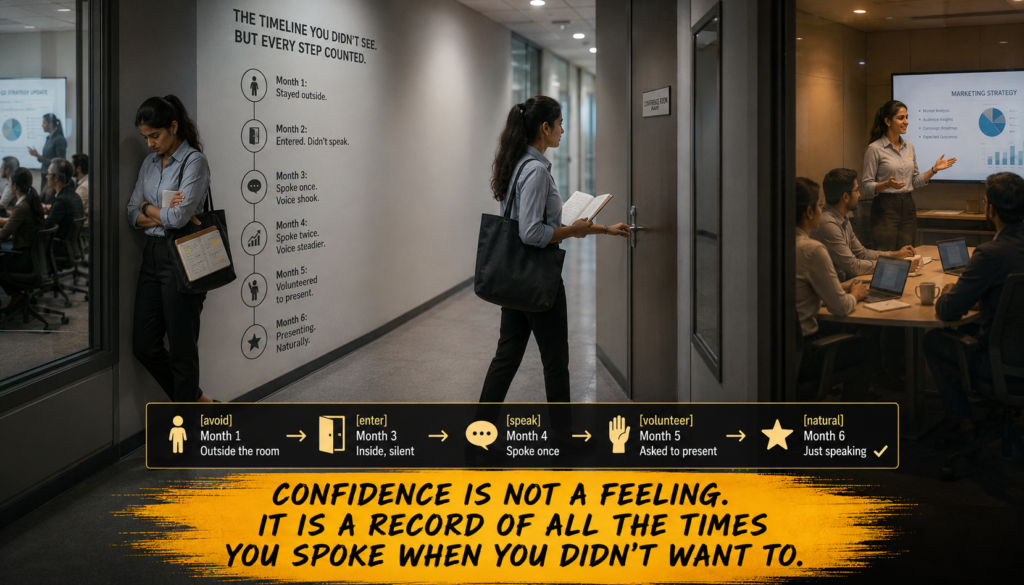
The best way to reduce speaking fear is gradual exposure. Avoiding speaking opportunities often increases fear over time.
Exposure Practice Plan
- Speak to one person
- Speak to a small group
- Join discussions
- Deliver short presentations
- Present to larger audiences
Following these tips to beat stage fear helps you gradually become more comfortable speaking in front of any audience, from small groups to larger professional settings.
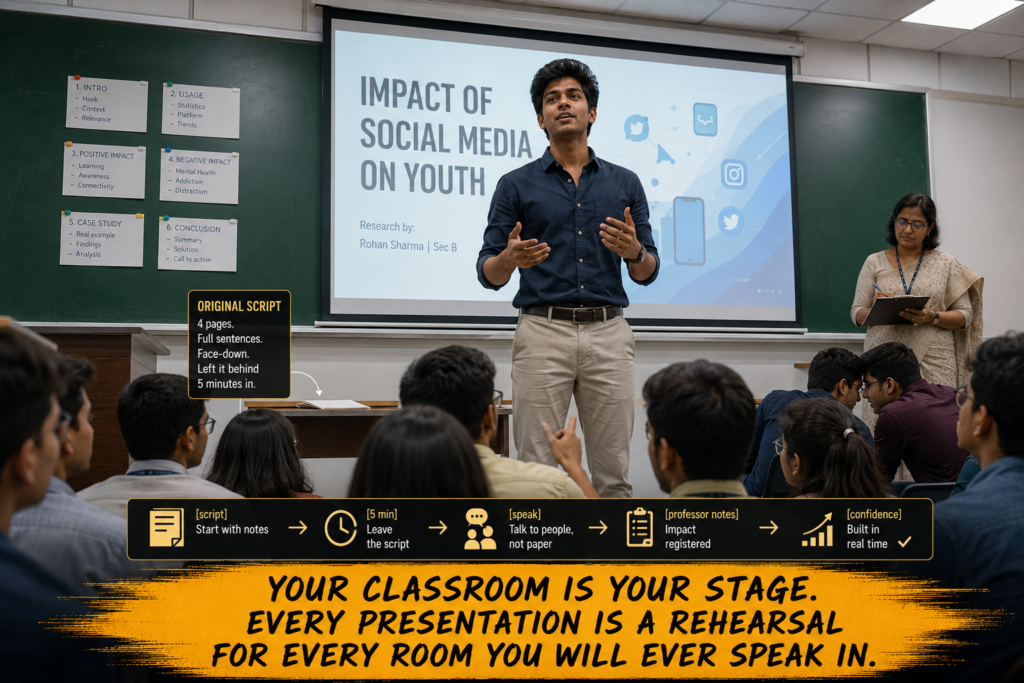
Public Speaking for Students
Public speaking is an important skill for students. It improves confidence, communication, and academic performance. Students who develop speaking skills early often perform better in presentations, discussions, and interviews.
Exploring structured public speaking courses for kids in India can give young learners the guided practice environment they need to build these skills from an early age.
Classroom Presentations
Classroom presentations provide valuable speaking experience. They help students organize ideas and communicate clearly.
Public Speaking Tips for Students
- Practice before presenting
- Use simple language
- Maintain eye contact
- Speak clearly
- Focus on key points
These simple habits improve presentation skills for students.
Debate Competitions
Debates help students think quickly and communicate effectively. They also improve persuasion and critical thinking skills.
Benefits of Debate Speaking Skills
- Better communication
- Improved confidence
- Stronger reasoning
- Faster thinking
- Better audience engagement
Seminar Speaking
Seminars allow students to share knowledge and practice speaking in front of groups.
Seminar Presentation Skills
- Organize information clearly
- Practice regularly
- Use examples
- Manage time well
- Engage your audience
Strong seminar skills help students become better communicators.

Public Speaking for Professionals
Communication is one of the most valuable workplace skills. Professionals who communicate effectively often receive more opportunities and leadership responsibilities.
Business Meetings
Meetings provide opportunities to demonstrate communication skills.
Meeting Communication Tips
- Prepare key points
- Speak clearly
- Stay concise
- Listen actively
- Contribute valuable ideas
These habits improve business communication skills and workplace communication.
Client Presentations
Client presentations require confidence and clarity. Strong communication helps build trust and credibility.
Client Presentation Skills
- Understand client needs
- Present solutions clearly
- Use examples
- Answer questions confidently
- Focus on results
Professionals with strong client presentation skills often perform better in customer-facing roles.
Leadership Communication
Leadership depends heavily on communication. Leaders must inspire, guide, and motivate teams.
Leadership Speaking Skills
- Communicate vision clearly
- Encourage participation
- Build trust
- Deliver feedback effectively
- Motivate others
Strong leadership communication skills help professionals advance in their careers.
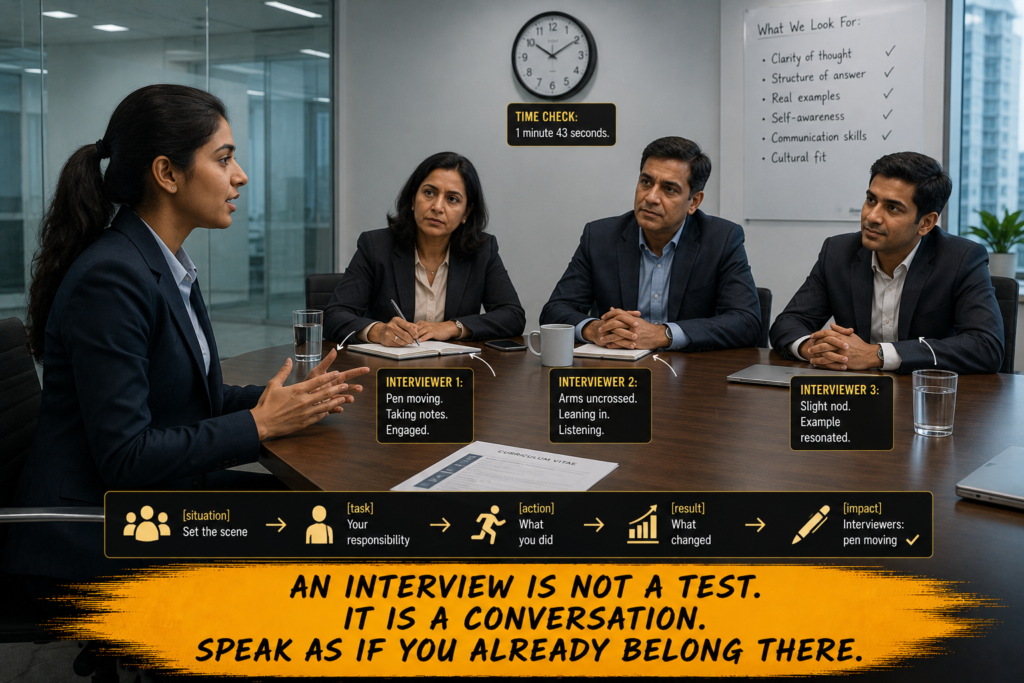
Public Speaking for Interviews
Interviews are a form of public speaking. The ability to communicate clearly can significantly improve interview performance.
Speaking Confidently in Interviews
Preparation is one of the biggest confidence boosters.
Tips for Speaking Confidently in Interviews
- Practice common questions
- Improve body language
- Conduct mock interviews
- Record your answers
- Focus on your strengths
These strategies help with speaking confidently in interviews.
Interview Communication Skills
Strong communication creates a positive impression.
Communication Skills for Job Interviews
- Listen carefully
- Answer directly
- Use examples
- Stay concise
- Speak clearly
These interview communication skills help candidates present themselves effectively.
Best Public Speaking Exercises
Practice is essential if you want to improve. These exercises can help beginners and experienced speakers alike.
Mirror Practice
Mirror speaking helps improve confidence and body language.
Benefits
- Better posture
- Improved eye contact
- Stronger gestures
- Increased confidence
- Better delivery
Impromptu Speaking Exercises
Impromptu speaking improves quick thinking and communication.
How to Practice
- Choose a random topic
- Prepare for 30 seconds
- Speak for 2 minutes
- Focus on clarity
- Avoid overthinking
These are among the best public speaking exercises for beginners.
Storytelling Exercise
Storytelling helps improve audience engagement and speech structure.
Practice Method
- Choose a personal experience
- Explain the situation
- Describe the challenge
- Share the solution
- End with a lesson
Voice Control Exercises
Voice control improves delivery and confidence.
Voice Control Drills
- Read aloud daily
- Practice pauses
- Vary your tone
- Improve pronunciation
- Slow down your speech
These voice control exercises can improve overall presentation quality.
Public Speaking Courses and Training Programs
Many people improve faster when they receive expert guidance and structured practice. Training programs provide opportunities to build confidence and communication skills.
Online Public Speaking Course
Online learning offers flexibility and convenience. You can learn from anywhere while receiving professional guidance.
Benefits
- Flexible schedules
- Expert trainers
- Practical exercises
- Personalized feedback
- Convenient learning
Many learners choose an online public speaking course because it fits easily into their schedule. Exploring the top online public speaking courses in India can help you compare the best available programs and choose one that matches your goals, schedule, and learning style.

One-to-One Coaching
Personalized coaching provides focused attention and customized guidance.Understanding the difference between a group vs one-to-one public speaking course helps you decide which format delivers better results for your specific learning goals before you invest in any program.
Benefits
- Individual feedback
- Personalized learning plans
- Faster improvement
- Confidence building
- Speaking practice
If you prefer personalized learning, Speaking Fever offers a public speaking course with certificate and one-to-one coaching designed to help learners improve communication and confidence.
Conclusion
Learning Public Speaking is one of the best investments you can make in yourself. Strong communication skills can help you succeed in school, interviews, business meetings, presentations, and leadership roles.
Whether your goal is to improve public speaking skills, overcome stage fright, build confidence, or become a better communicator, the most important step is to start practicing today. Every confident speaker was once a beginner who improved through effort and consistency.
Keep speaking, keep learning, and keep challenging yourself. With regular practice and the right guidance, you can become a confident speaker and communicate your ideas with clarity and impact. If you want expert support and personalized speaking practice, Speaking Fever can help you accelerate your journey toward confident communication.
Reach us via
Book Your Slot with Our Counsellor:
FAQs
1. What Is Public Speaking and Why Is It Important?
Public speaking is the process of communicating ideas, information, or opinions to an audience. It is important because it improves communication skills, builds confidence, and helps people succeed in school, careers, leadership roles, and everyday conversations.
2. What Are the Different Types of Public Speaking?
The main types of public speaking include informative speaking, persuasive speaking, motivational speaking, and business presentations. Each type serves a different purpose, from educating audiences to inspiring action.
3. What Are the Most Important Public Speaking Skills?
Some of the most important public speaking skills include voice modulation, body language, eye contact, storytelling, audience engagement, and active listening. These skills help speakers communicate clearly and confidently.
4. How Can I Improve My Public Speaking Skills Quickly?
You can improve public speaking skills quickly by practicing regularly, recording yourself, speaking in real-life situations, and learning from experienced speakers. Consistent practice is the fastest way to see improvement.
5. How Do I Overcome the Fear of Public Speaking?
The best way to overcome the fear of public speaking is through preparation and practice. Starting with small audiences, using breathing exercises, and gradually increasing speaking opportunities can help reduce nervousness.
6. What Causes Stage Fright When Speaking in Public?
Stage fright is usually caused by fear of making mistakes, being judged by others, or speaking in unfamiliar situations. With regular exposure and confidence-building exercises, stage fright can be reduced over time.
7. How Can I Speak Confidently in Front of an Audience?
To speak confidently in front of an audience, prepare thoroughly, practice your speech multiple times, maintain eye contact, use positive body language, and focus on delivering value rather than worrying about perfection.
8. What Are the Common Public Speaking Mistakes to Avoid?
Common public speaking mistakes include speaking too fast, reading directly from slides, avoiding eye contact, poor body language, lack of preparation, and using too many filler words like “um” and “uh.”
9. What Are the Best Public Speaking Techniques Used by Successful Speakers?
Successful speakers often use techniques such as storytelling, the Rule of Three, strategic pauses, vocal variety, and audience interaction. These methods help keep audiences engaged and make presentations more memorable.
10. What Are the Best Public Speaking Exercises for Beginners?
Mirror speaking, impromptu speaking exercises, speech recording, storytelling practice, and voice control drills are some of the best public speaking exercises for beginners. These activities help build confidence and improve delivery.
11. How Long Does It Take to Become Good at Public Speaking?
The timeline varies from person to person. With consistent practice, many people notice significant improvements within a few weeks, while developing advanced public speaking skills may take several months of regular effort.
12. Are Public Speaking Courses Worth Taking?
Yes. Public speaking courses provide structured learning, expert feedback, and practical speaking opportunities. Programs like Speaking Fever can help learners build confidence through personalized 1-on-1 speaking practice and professional guidance.