Is Classroom Learning Dead for Spoken English Learners in 2026?


Introduction
For years, classroom learning was seen as the “normal” way to improve spoken English. You joined an institute, sat in a batch, followed a fixed schedule, and hoped your confidence would improve with time.
But in 2026, things have clearly changed.
Today’s learners want flexibility, personal attention, real speaking practice, and faster progress. And because of that, many people are now asking an important question:
Is classroom learning dead for spoken English learners in 2026?
Let’s look at what the trends, learner behavior, and current education shifts are really telling us.
Table of Contents
Why Spoken English Learners Are Changing Their Preferences
The biggest shift is not just in technology, it’s in what learners actually want. Spoken English learners today are not only looking for “classes.” They are looking for outcomes like:
- better fluency
- more confidence
- real conversation practice
- support that fits their schedule
That’s a very different expectation from the old classroom model.
UNESCO’s digital education overview notes that internet use continues to expand globally, with 74% of the world population online in 2025, which naturally supports more digital-first learning behavior.
Why Classroom Learning Is Losing Ground in 2026
This is where the conversation gets real. The problem is not that classrooms are “bad.” The problem is that many spoken English learners today have needs that the old classroom format doesn’t always solve well.
Here’s why many learners are moving away from it:
- batch sizes often reduce individual speaking time
- fixed timings don’t suit working people or students
- many learners feel shy speaking in front of groups
- progress can become slow when everyone is taught at the same pace
This matters because spoken English is a performance skill, not just a theory subject. You don’t become fluent by only listening to explanations.
You improve by:
- speaking regularly
- making mistakes safely
- getting corrected personally
- repeating until you feel natural
That kind of improvement is harder in large, traditional classroom formats.
Why Online Spoken English Learning Is Growing Fast
According to Mordor Intelligence, the digital English language learning market was valued at USD 13.94 billion in 2025 and is estimated to grow further in 2026, driven by smartphone use, personalization, and workplace skill demand. Other market trackers also show strong growth in online language learning through the coming years.
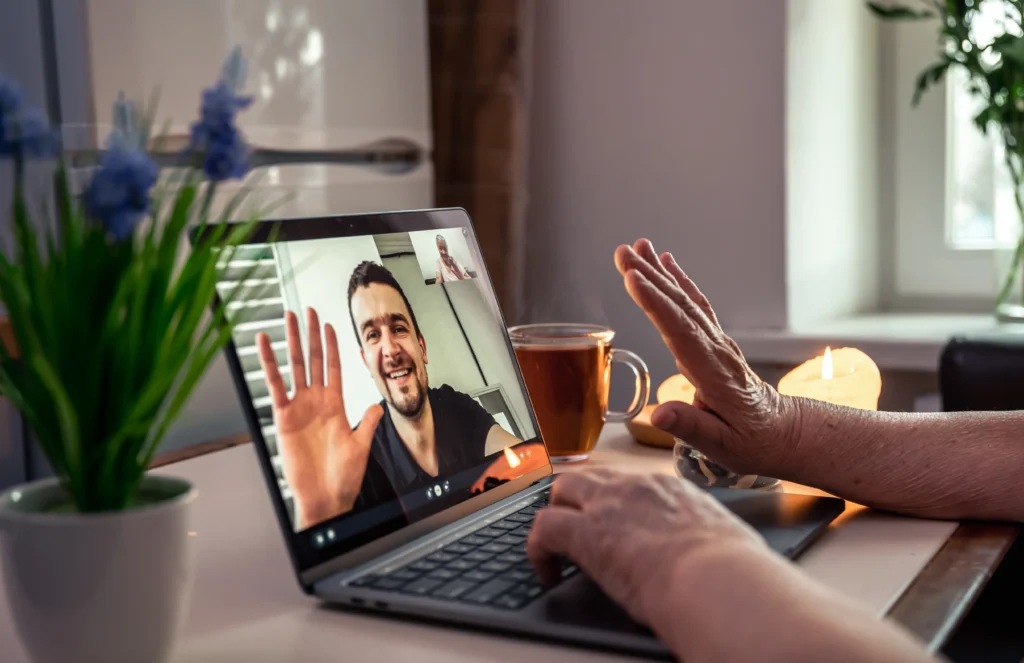
Why online spoken English learning feels more attractive today:
- learn from home
- easier scheduling
- more one-on-one options
- comfort for shy learners
- access to better teachers beyond local area
For spoken English learners in India, this is especially important. A learner in a small town or non-metro city can now access quality spoken English support without depending only on nearby institutes.
Classroom vs Online: Which Works Better for Spoken English Learning?
This is the question most learners actually care about.
And the honest answer is:
It depends less on the “mode” and more on the “learning experience.”
But if the goal is specifically speaking English fluency, online learning often has a practical edge when it includes live speaking, personal correction, and regular conversation practice.
Classroom can work better when:
- you need physical discipline
- you enjoy group energy
- you are consistent with attendance
- your institute actually gives speaking time
Online can work better when:
- you need flexibility
- you feel shy in groups
- you want more personal attention
- you want classes around work or study schedule
Who Benefits More from Online 1-on-1 Spoken English Learning?
Online learning tends to work especially well for learners who need comfort, confidence-building, and flexibility.
This often includes:
- working professionals
- college students
- housewives
- job seekers
- shy or hesitant speakers
- learners from smaller cities
Why?
Because one-on-one learning removes many of the barriers that stop people from speaking.
Instead of sitting silently in a batch, the learner gets:
- more speaking time
- more personal feedback
- more attention to their exact weak areas
- more comfort while practising
That is where platforms like Speaking Fever often become more effective than old-style classroom batches..
Conclusion
So, is classroom learning dead for spoken English learners in 2026?
No, but it is no longer leading the conversation.
Classroom learning still has value for some people, especially those who need structure and physical learning environments. But for many modern learners, especially those trying to improve spoken English confidently and practically, online learning is now often the smarter and more accessible option.
If someone wants real spoken English improvement in today’s world, they should not just ask:
“Where is the nearest institute?”
They should ask:
“Where will I actually speak and improve?”
That is the question that matters now.And if you’re looking for a more personal, flexible, and confidence-focused way to improve your spoken English, Speaking Fever can be a practical option to explore, especially if you want 1-on-1 live spoken English classes from home.
Speak with our Experts to books a Trial
FAQ’s
Is classroom learning outdated for spoken English in 2026?
Not completely. Classroom learning still works for some learners, but it is no longer the default choice for everyone. Many learners now prefer online formats because they offer more flexibility and often more personal speaking practice.
Is online learning better than classroom learning for spoken English?
It can be, especially if the online classes include live speaking, correction, and one-on-one attention. Spoken English improves best when learners get regular practice and feedback.
Why are spoken English learners shifting to online classes?
Main reasons include flexible timing, comfort, accessibility, and better personalization. Many learners also feel less shy and more supported in one-on-one online settings.
Who should still choose classroom spoken English classes?
Learners who need external discipline, enjoy physical attendance, and prefer face-to-face interaction may still benefit from offline classes.
What is more important than classroom or online mode?
The most important things are:
how much you speak
how often you practise
how much personal correction you get
how consistently you continue learning