11 Proven Ways to Improve Public Speaking Skills for Beginners

Quick Summary
- Public speaking is a skill that improves with regular practice.
- Small speaking opportunities help build confidence gradually.
- Preparation reduces nervousness and improves performance.
- Body language, voice control, and audience engagement are important.
- Consistent practice is one of the best ways to improve public speaking skills.
Table of Contents
If you want to learn how to improve public speaking skills for beginners, you are not alone. Many people feel nervous when speaking in front of others, but public speaking is a skill that anyone can learn with practice.
Strong public speaking skills can help you perform better in interviews, presentations, meetings, and everyday conversations. They also play an important role in building confidence and improving communication.
According to Toastmasters International’s public speaking resources, regular practice and preparation are two of the most effective ways to become a better speaker. This is why many learners look for the best public speaking course for beginners to improve confidence and communication skills.
Why Public Speaking Matters
Public speaking is more than standing on a stage and giving a speech. It is about expressing your ideas clearly and confidently so that people understand your message.
Whether you are a student, job seeker, or working professional, improving your speaking ability can create new opportunities in both personal and professional life.
Benefits of Strong Public Speaking Skills
- Improves confidence
- Strengthens communication skills
- Supports leadership growth
- Improves professional English communication
- Helps you express ideas clearly
Many successful professionals consider communication one of the most valuable workplace skills.
1. Practice Speaking Every Day
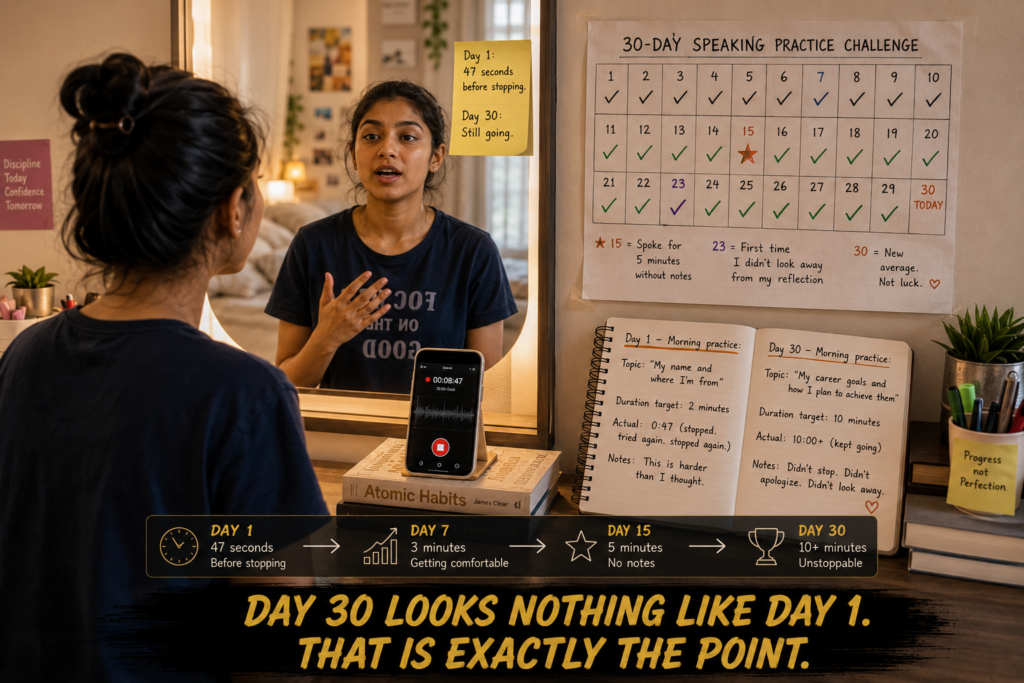
One of the easiest ways to improve speaking ability is through daily practice. Small improvements made consistently can create big results over time.
Even 10 to 15 minutes of daily speaking practice can help you become more comfortable with communication.
What You Can Do
- Read aloud for 10 minutes daily
- Record your voice
- Practice introducing yourself
- Speak in front of a mirror
- Join conversations whenever possible
Building a consistent habit of speaking practice is the single most reliable foundation for improving your public speaking skills steadily over time.
2. Start With Small Audiences
Many beginners make the mistake of trying to speak in front of large groups immediately. Starting small helps reduce pressure and build confidence gradually.
Speaking to family members or close friends is often a good starting point.
Try These Ideas
- Present a topic to family members
- Share opinions during group discussions
- Practice with friends
- Speak during classroom activities
- Participate in small meetings
These are useful public speaking activities for beginners because they create a comfortable learning environment.
3. Record and Review Yourself
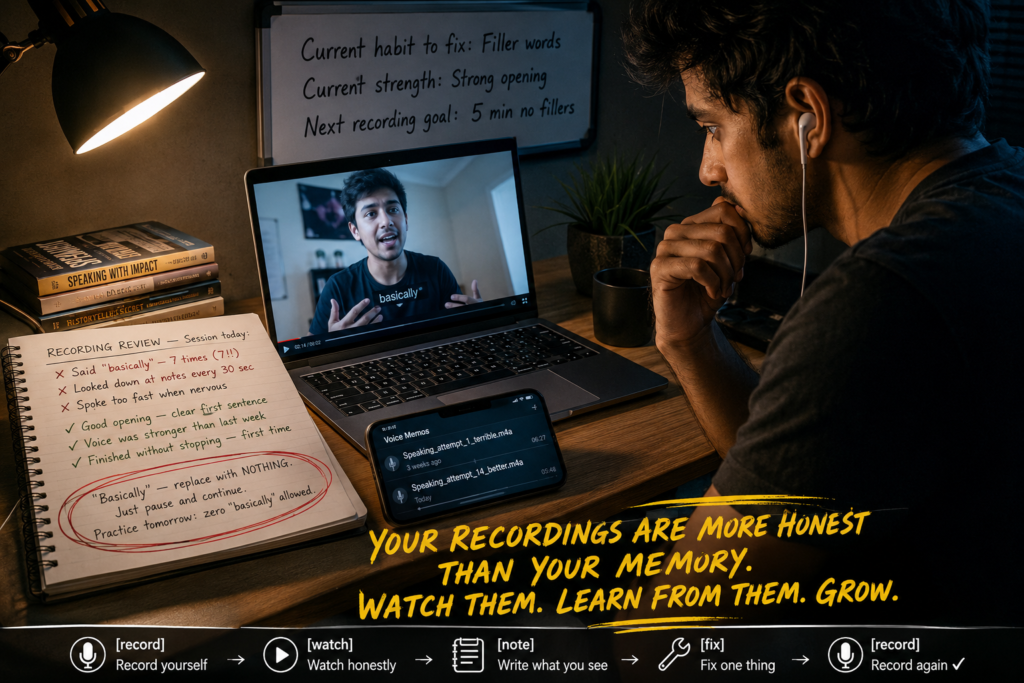
Recording yourself allows you to identify habits that may be affecting your communication. Most people improve faster when they can see and hear their own performance.
Check These Areas
- Voice clarity
- Pronunciation
- Body language
- Speaking speed
- Filler words
Do not focus on perfection. Focus on progress.This is one of the most effective public speaking exercises for beginners because it provides immediate feedback.
4. Learn to Control Nervousness
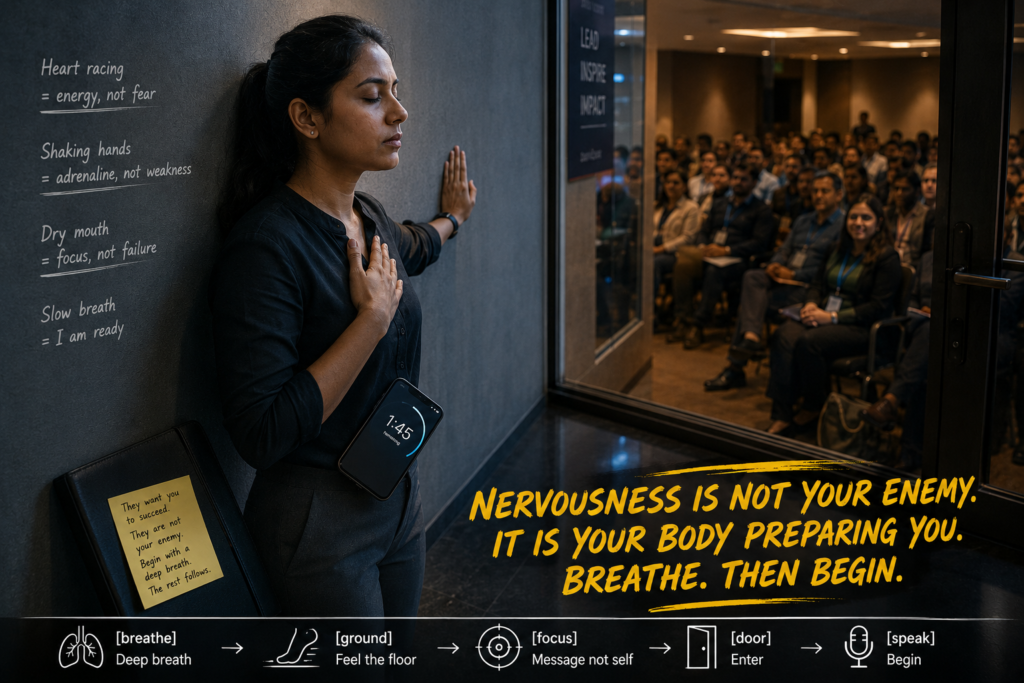
Feeling nervous before speaking is normal. Even experienced speakers feel nervous before important presentations.
The goal is not to eliminate nervousness completely but to manage it effectively.
Simple Techniques
- Take deep breaths
- Arrive early
- Prepare thoroughly
- Practice beforehand
- Focus on your message
These are practical tips to overcome fear of public speaking that can help you stay calm and focused.
5. Improve Your Body Language
Communication is not only about words. Your posture, facial expressions, and gestures also influence how people receive your message.
Body Language Tips
- Stand upright
- Maintain eye contact
- Use natural hand gestures
- Smile when appropriate
- Avoid unnecessary movements
Confident body language can make you appear more comfortable and professional. Strong body language supports both confidence and effective communication.
6. Prepare Before Every Speech
Preparation reduces uncertainty and increases confidence. When you know your content well, speaking becomes much easier.
Good preparation can also help you stay organized and avoid forgetting important points.
Before You Speak
- Outline your key points
- Practice multiple times
- Prepare examples
- Anticipate questions
- Review your opening and closing
Many beginners looking for a beginner guide to public speaking often underestimate the importance of preparation.
7. Practice Public Speaking at Home
You do not need a stage to improve your speaking skills. Your home can become an excellent practice environment.
Consistent home practice can help you build confidence before speaking in public.
How to Practice Public Speaking at Home
- Speak in front of a mirror
- Record short speeches
- Read newspaper articles aloud
- Practice storytelling
- Present topics to family members
Learning how to practice public speaking at home is one of the easiest ways for beginners to improve steadily.
Consistent home practice can help you build confidence before speaking in public. Understanding the difference between online vs offline public speaking courses can also help you decide the best way to take your home practice further with structured guidance.
8. Work on Your Voice and Tone
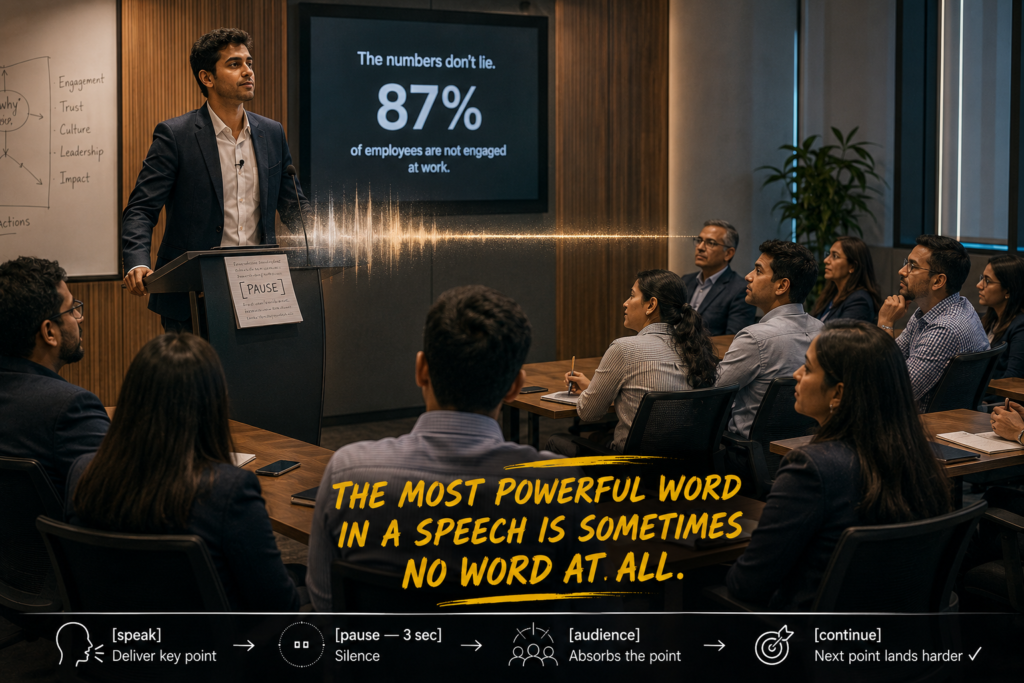
A clear voice helps people understand your message more easily. Speaking in the same tone throughout a presentation can make even good content sound boring.
Learning how to vary your voice can make your speeches more engaging and memorable.
Voice Improvement Tips
- Speak clearly and slowly
- Change your tone naturally
- Pause after important points
- Avoid speaking too fast
- Practice reading aloud
These simple techniques can help improve public speaking skills and make your message more impactful.
9. Join Speaking Activities
Speaking opportunities help you gain real-world experience. The more you speak, the more comfortable you become.
Activities to Try
- Debate clubs
- Group discussions
- Presentation competitions
- Public speaking clubs
- Toastmasters meetings
Public speaking activities for beginners offer hands-on practice, while the top online public speaking courses in India provide structured training and regular speaking opportunities. Together, they help beginners become more confident and effective speakers.
10. Accept Mistakes and Keep Going
Mistakes happen to everyone, including experienced speakers. Most audiences are more forgiving than you think.
Remember These Points
- Stay calm
- Continue speaking
- Avoid apologizing repeatedly
- Focus on your message
- Learn from each experience
A small mistake does not ruin a presentation unless you let it affect your confidence. Understanding this principle is important when learning how to overcome stage fear.
11. Practice Consistently
Consistency is the secret behind every improvement. Public speaking is a skill that develops through regular practice.
Even a few minutes of practice every day can create noticeable progress over time.
Daily Practice Ideas:
- Record a 2-minute speech
- Practice introductions
- Read aloud
- Join conversations
- Review previous recordings
Pairing your daily habits with structured spoken English classes for presentations gives you the guided feedback and real practice environment that turns consistency into actual results.
Common Challenges Beginners Face
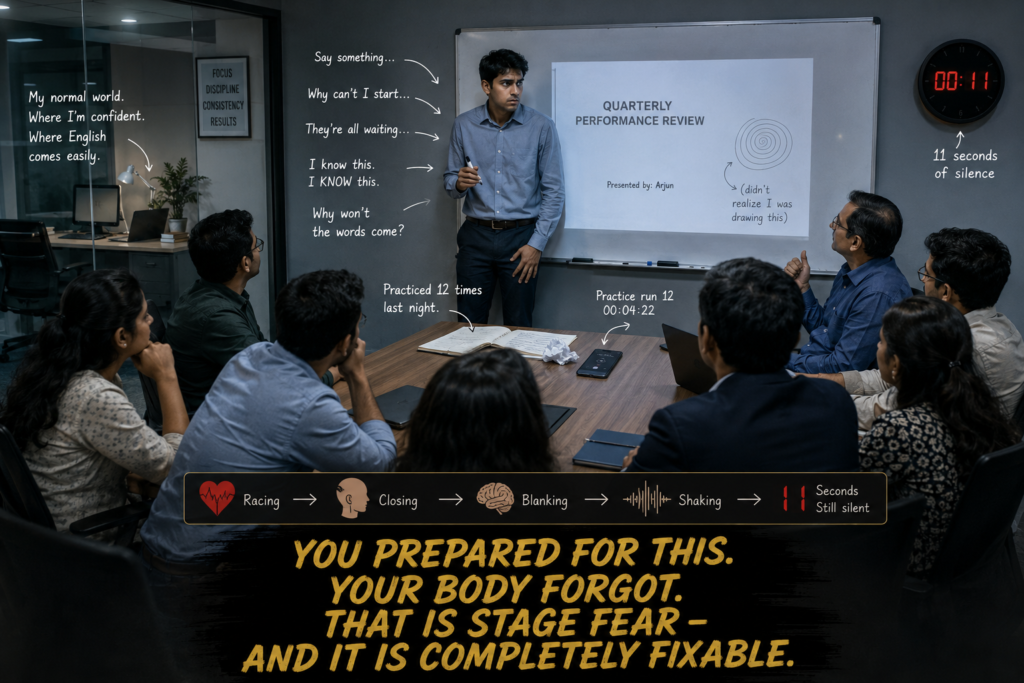
Most beginners experience nervousness before speaking in public. This is completely normal and can be improved through practice and preparation.
Learning how to overcome stage fear often starts with small speaking opportunities and gradual exposure.
Common Public Speaking Problems
- Fear of making mistakes
- Stage fear
- Lack of confidence
- Forgetting what to say
- Speaking too fast
- Poor eye contact
Learning to speak English without fear or judgment is often the first real breakthrough for beginners – because once the fear reduces, every other speaking skill starts improving much faster.
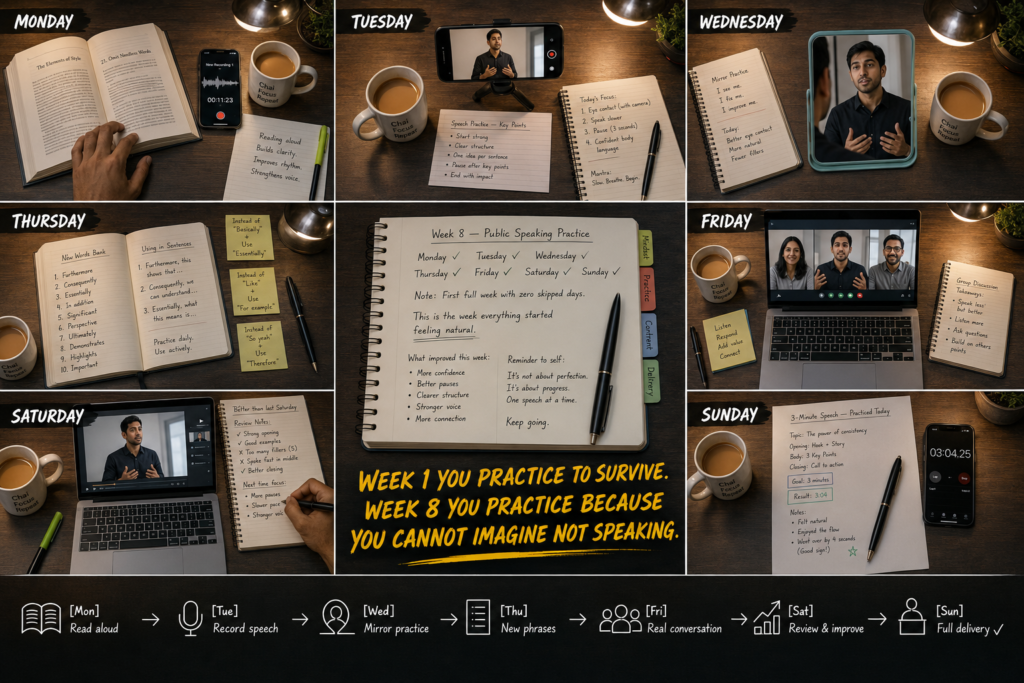
Simple Weekly Public Speaking Practice Plan
Many beginners feel confused about where to start. Following a simple weekly plan can make improvement easier and more structured.
The goal is to build confidence gradually through small daily actions.
Weekly Practice Schedule
| Day | Activity |
| Monday | Read aloud for 10 minutes |
| Tuesday | Record a short speech |
| Wednesday | Practice in front of a mirror |
| Thursday | Learn new vocabulary |
| Friday | Participate in a discussion |
| Saturday | Review recordings and improve |
| Sunday | Deliver a 3-minute practice speech |
Following a schedule like this can help public speaking skills for beginners improve steadily over time.
Conclusion
Learning how to improve public speaking skills for beginners takes time, practice, and patience. The good news is that every confident speaker started as a beginner and improved through consistent effort.
The strategies in this guide can help you become a more confident speaker, improve communication skills, and reduce fear when speaking in front of others. Start with one or two techniques today and practice them regularly.
If you want additional support, personalized feedback, and speaking practice, Speaking Fever’s 1-on-1 online English & Public Speaking speaking course can help you build confidence through practical communication training. Keep practicing, stay consistent, and remember that every speech is an opportunity to improve.
Reach us via
Book Your Slot with Our Counsellor:
FAQs
1. How Can Beginners Improve Public Speaking Skills Faster?
Beginners can improve faster by practicing regularly, speaking in small groups, and recording their speeches. Consistent practice is one of the most effective ways to improve public speaking skills.
2. What Are the Best Public Speaking Tips for Beginners?
Some of the best public speaking tips for beginners include preparing in advance, maintaining eye contact, speaking clearly, and practicing regularly. Small improvements made consistently can build confidence over time.
3. How Can I Overcome Stage Fear While Speaking?
Learning how to overcome stage fear starts with preparation and practice. Deep breathing, positive thinking, and speaking in front of small audiences can help reduce nervousness.
4. How Can I Practice Public Speaking at Home?
You can practice public speaking at home by reading aloud, recording your speeches, speaking in front of a mirror, and presenting topics to family members. Regular home practice helps build confidence gradually.
5. What Are the Best Public Speaking Exercises for Beginners?
Recording yourself, practicing introductions, storytelling, and reading aloud are some of the most effective public speaking exercises for beginners. These activities help improve fluency and confidence.
6. Why Are Public Speaking Skills Important?
Public speaking skills help improve confidence, communication, leadership abilities, and professional growth. They are useful for interviews, presentations, meetings, and everyday conversations.
8. What Are the Best Public Speaking Activities for Beginners?
Group discussions, debates, speech competitions, presentations, and storytelling are excellent public speaking activities for beginners. These activities provide valuable speaking experience.
9. How Long Does It Take to Improve Public Speaking Skills?
The timeline varies for each person. Many beginners notice improvements within a few weeks of regular practice, while long-term confidence develops through consistent speaking opportunities.
10. Which Course Is Best for Public Speaking Beginners?
Many learners choose Speaking Fever because it offers personalized 1-on-1 coaching, practical speaking exercises, and confidence-building activities designed for beginners.
11. Can a Spoken English Course for Beginners Improve Public Speaking?
Yes. A spoken English course for beginners can help improve vocabulary, fluency, pronunciation, and speaking confidence, all of which support better public speaking performance.
12. What Are the Best Tips to Overcome Fear of Public Speaking?
Preparation, practice, deep breathing, and gradual exposure to speaking situations are some of the most effective tips to overcome fear of public speaking. Confidence grows with experience.